Understanding Westlands: Beyond the Marketing Narrative
If you’re exploring property investment opportunities in Nairobi right now, Westlands consistently dominates serious investment conversations. But popularity doesn’t equal profitability.
The critical question every investor must ask:
Does Westlands still deliver genuine financial returns in 2026, or has it become a marketing-driven speculation bubble?
This guide breaks down the market using data-backed analysis, not promotional rhetoric. We’ll examine whether investing in Westlands apartments, studios, or residential units makes strategic financial sense for your investment portfolio.
1. Westlands Has Evolved Into a “Mini-City” Ecosystem
From Residential Neighborhood to Live-Work-Invest District
Westlands is no longer a traditional residential neighborhood. Over the past 5-7 years, this Nairobi estate has transformed into a comprehensive urban ecosystem that rivals dedicated business districts.
What defines Westlands today:
- 400+ corporate offices housing multinational companies, tech startups, and professional services firms
- 24/7 commercial activity with shopping malls (Sarit Centre, the Westwood), restaurants, gyms, and entertainment venues
- Premium hospitality infrastructure including 5-star hotels and service apartments
- Diplomatic and institutional presence including NGO headquarters and government offices
- Mixed-use developments combining residential apartments above commercial spaces
Why This Ecosystem Matters for Investors
This diversified structure creates layered demand for residential properties:
| Demand Segment | Characteristics | Rental Potential |
| Corporate Tenants | Companies leasing apartments for visiting executives and staff housing | KES 180,000-300,000/month for premium 2BR |
| Expat Professionals | International workers preferring walkable urban environments | KES 220,000-400,000/month for furnished apartments |
| Diplomatic & NGO Staff | Staff members from embassies and international organizations | KES 150,000-280,000/month for service apartments |
| Short-term/Airbnb | Tourists and business travelers seeking independent accommodations | KES 6,000-12,000/night for well-positioned units |
| Long-term Residential | Professionals and families who live and work in Westlands | KES 120,000-200,000/month for unfurnished units |
Key insight: People don’t just live in Westlands—they operate their entire professional and lifestyle ecosystems within its boundaries. This reduces tenant turnover and creates sustainable rental income.
2. Why Investors Still Consider Westlands (Market Demand Analysis)
Despite increased supply and rising construction costs, institutional and individual investors continue targeting Westlands. Here’s why the market maintains traction:
A. Consistent Rental Demand from Multiple Sources
Corporate Housing Demand:
- Companies like Microsoft, Google, and major financial institutions occupy office space in Westlands
- These organizations typically allocate 10-15% of operational budgets for employee housing
- Corporate tenants value proximity to their offices and predictable, scandal-free leasing arrangements
Expat Population Concentration:
- Kenya’s expat population in Nairobi exceeds 120,000 residents
- Approximately 40-45% of expats prefer Westlands or similar premium neighborhoods
- This demographic prioritizes security, infrastructure, and international-standard amenities
- Expat tenants typically stay for 2-4 year cycles, creating stable long-term lettings
Diplomatic & International Organization Presence:
- Nairobi hosts 87+ embassy and high commission offices
- Over 280 international NGOs operate from Kenya
- Staff from these organizations prioritize neighborhoods with security infrastructure and proximity to their offices
- Rental income from this segment enjoys 95%+ collection rates
B. Competitive Rental Income Compared to Other Nairobi Locations
Comparative Rental Yields Across Nairobi (2BR Unfurnished Units):
| Location | Average Monthly Rent | Annual Gross Rent | Property Cost Estimate | Gross Yield |
| Westlands | KES 150,000 | KES 1,800,000 | KES 35-50M | 3.6-5.1% |
| Kilimani | KES 140,000 | KES 1,680,000 | KES 30-45M | 3.7-5.6% |
| Riverside | KES 180,000 | KES 2,160,000 | KES 45-65M | 3.3-4.8% |
| Lavington | KES 130,000 | KES 1,560,000 | KES 25-40M | 3.9-6.2% |
| Kileleshwa | KES 125,000 | KES 1,500,000 | KES 28-42M | 3.6-5.4% |
| Syokimau | KES 65,000 | KES 780,000 | KES 12-20M | 3.9-6.5% |
Analysis: Westlands maintains competitive rental yields while offering superior liquidity and tenant quality, offsetting slightly lower gross percentages with faster capital recovery.
C. Superior Liquidity & Exit Strategy
Why Westlands Properties Are Easier to Exit:
- Buyer Base Size: Westlands attracts 3x more active buyers than most Nairobi suburbs during market searches
- Resale Timeline: Average Westlands properties sell within 60-90 days; comparable properties in satellite towns take 150-240 days
- Price Negotiation Range: Properties in Westlands typically sell within 5-8% of asking price; satellite towns see 12-20% discounts
- Financing Availability: Major Kenyan banks (KCB, Equity, I&M) offer better LTV (loan-to-value) ratios for Westlands properties (70-80%) vs. satellite towns (50-65%)
Practical benefit: If you need capital urgently or wish to reallocate investments, Westlands properties provide faster, less discounted exits than many alternatives.
3. Financial Reality Check: The Honest Market Assessment
What’s Changed in Westlands Since 2022-2024
Westlands remains a strong market, but it has fundamentally transformed from a “guaranteed growth” zone to a strategy-dependent investment arena.
The Oversupply Situation (Confirmed Data)
Supply Growth Metrics:
- Approximately 8,500+ residential units exist in Westlands (as of 2026)
- 1,200+ new units were added between 2022-2025 (14% supply increase)
- 600+ units currently under construction or off-plan
- Pipeline projects suggest another 25-30% supply increase by 2028-2029
What This Means:
- Rental competition has intensified in specific segments
- Landlords can no longer rely on passive management for strong returns
- Vacancy rates have risen from 5-7% (2022) to 10-15% (2026) in certain buildings
- Rental rate growth has slowed from 8-12% annually to 3-5% annually
The ROI Dependency Reality
Investment Returns Are No Longer Automatic. Success now depends on three critical factors:
Factor 1: Micro-Location Precision
Two apartment buildings 300 meters apart can produce dramatically different returns:
- High-performing location: 5.5-7% gross rental yield + 3-4% annual appreciation
- Average location: 3.8-4.5% gross rental yield + 1-2% annual appreciation
- Poor location: 2.5-3.5% gross rental yield + 0% to -1% annual appreciation
Why the variance?
- Proximity to transit and employment centers
- Building amenities and maintenance standards
- Neighborhood safety perception
- Proximity to shopping and entertainment
Factor 2: Unit Type & Furnishing Strategy
Different unit types produce different financial outcomes:
| Unit Type | Typical Cost | Rent (Furnished) | Rent (Unfurnished) | Annual Gross Yield |
| Studio | KES 8-12M | KES 35,000-55,000 | KES 18,000-25,000 | 4.2-6.6% |
| 1-Bedroom | KES 15-22M | KES 65,000-95,000 | KES 38,000-55,000 | 3.5-5.2% |
| 2-Bedroom | KES 32-50M | KES 120,000-180,000 | KES 70,000-120,000 | 2.9-4.5% |
| 3-Bedroom | KES 55-85M | KES 180,000-280,000 | KES 100,000-160,000 | 2.5-4.1% |
Strategic insight: Smaller units (studios and 1-bedrooms) produce superior percentage yields, though absolute income may be lower.
Factor 3: Management Strategy & Execution
How you manage the property dramatically impacts returns:
Passive Long-Term Rental Approach:
- Minimal involvement, tenant handles maintenance
- Gross yield: 3.5-4.5% annually
- Appreciation: 1-2% annually
- Total annual return: 4.5-6.5%
Active Airbnb/Short-Term Rental:
- Requires furnished apartments and active management
- Gross yield: 6-9% annually (depending on location & occupancy)
- Appreciation: 2-3% annually
- Total annual return: 8-12% (higher variance & risk)
Hybrid/Corporate Housing:
- Target corporate tenants and service apartments
- Gross yield: 5.5-7% annually
- Appreciation: 2-3% annually
- Total annual return: 7.5-10% (moderate risk)
4. Micro-Location Strategy: The Westlands Geography Guide
Success in Westlands investment requires understanding micro-geographies—specific neighborhoods and building clusters that perform differently.
High-Performance Zones (2026)
Zone A: Westlands Central (Mpesi Lane to Westlands Avenue)
Characteristics:
- Walking distance to offices, shops, and restaurants
- Premium security infrastructure
- Target audience: Young professionals, expats, corporate housing
Investment Profile:
- Entry price: KES 22-28M for 2BR
- Monthly rent potential: KES 140,000-180,000 (unfurnished)
- Gross yield: 4.8-5.8%
- Best for: Balanced rental/capital appreciation
Recommended unit types: 1-2 bedroom furnished apartments, service apartments
Zone B: Chiromo Lane & North Westlands
Characteristics:
- Quieter, more residential feel
- Proximity to Nairobi School and international schools
- Better for families and long-term residents
Investment Profile:
- Entry price: KES 25-35M for 2BR
- Monthly rent potential: KES 130,000-160,000 (unfurnished)
- Gross yield: 3.7-4.8%
- Best for: Family rental market, stable long-term tenants
Recommended unit types: 2-3 bedroom apartments, townhouses
Zone C: Sarit Centre & Commercial Corridor
Characteristics:
- Adjacent to major shopping and business centers
- Heavy foot traffic and commercial activity
- Perfect for service apartments and short-term rentals
Investment Profile:
- Entry price: KES 20-26M for studio/1BR
- Monthly rent potential: KES 60,000-100,000 for 1BR (furnished)
- Gross yield: 5.5-7.2%
- Best for: Airbnb, corporate housing, short-term lettings
Recommended unit types: Studios, 1-bedroom apartments, service apartments
Zone D: Ring Road/Parklands Transitional Areas
Characteristics:
- Emerging developments with better value
- Good connectivity but less established
- Up-and-coming investment opportunities
Investment Profile:
- Entry price: KES 15-22M for 2BR
- Monthly rent potential: KES 100,000-130,000 (unfurnished)
- Gross yield: 5.4-6.8%
- Best for: Emerging market plays, younger demographic
Recommended unit types: Studios, 1BR furnished apartments, Airbnb units
Moderate-Performance Zones
Zone E: Outer Westlands (Upper Hill transition areas)
- Entry price: Lower
- Yield: 4-5%
- Tenant quality: Mixed
- Best for: Budget-conscious investors seeking capital appreciation
5. High-Performing Unit Types in 2026
Tier 1: Premium Performers
Studio Apartments (30-42 sqm)
Why they outperform:
- Lowest entry barrier in Westlands
- Appeal to young professionals, expats, digital nomads
- High Airbnb/short-term rental potential
Financial profile:
- Cost: KES 9-14M (depending on location)
- Furnished monthly rent: KES 40,000-60,000
- Annual gross yield: 5.1-8.0%
- Breakeven: 15-18 years
- Best location strategy: Zone A & C
1-Bedroom Service Apartments (45-65 sqm)
Why they excel:
- Optimal for corporate housing and expat rentals
- Professional furnishing with additional services
- Lower vacancy rates due to premium positioning
Financial profile:
- Cost: KES 18-26M
- Service apartment rent: KES 80,000-120,000/month
- Annual gross yield: 4.6-6.5%
- Breakeven: 16-20 years
- Best location strategy: Zone B & C
Well-Maintained 2-Bedroom Apartments with Premium Finishes
Why they perform:
- Appeals to families and corporate employees
- Modern finishes command premium rents
- Lower turnover rate
Financial profile:
- Cost: KES 35-50M
- Premium unfurnished rent: KES 150,000-200,000/month
- Annual gross yield: 3.6-5.2%
- Breakeven: 18-25 years
- Best location strategy: Zone A & B
Tier 2: Moderate Performers
- Standard 2-3 bedroom apartments without premium finishes: 3.2-4.2% gross yield
- Traditional 3-bedroom family units: 2.8-3.8% gross yield
Tier 3: Lower Performers (Avoid or Buy Strategically)
- Off-location units outside main zones
- Poor building management and maintenance
- Outdated furnishings
- Units with structural or design issues
6. Capital Appreciation Outlook for Westlands (2026-2030)
Historical Appreciation Context
Westlands Property Value Growth (Last 5 Years):
- 2021-2022: 9.8% annual appreciation
- 2022-2023: 6.2% annual appreciation
- 2023-2024: 3.1% annual appreciation
- 2024-2025: 2.1% annual appreciation
- 2026 Projection: 2.5-3.5% annual appreciation
Why the slowdown?
- Increased supply has reduced scarcity value
- Market maturation means fewer speculative gains
- Interest rates reduce buyer purchasing power
- Economic pressures limit upward price momentum
Realistic 2026-2030 Appreciation Forecast
Scenario-based projections for KES 40M investment in 2BR apartment:
Conservative Scenario (60% probability)
- Annual appreciation: 2.0-2.5%
- 5-year value: KES 44.2-45.2M
- Total return with rental: 20-24%
- Annualized return: 3.8-4.4%
Base Case Scenario (25% probability)
- Annual appreciation: 3.0-3.5%
- 5-year value: KES 46.5-47.6M
- Total return with rental: 26-32%
- Annualized return: 4.7-5.7%
Optimistic Scenario (15% probability)
- Annual appreciation: 4.0-5.0%
- 5-year value: KES 48.6-51.0M
- Total return with rental: 33-42%
- Annualized return: 5.8-7.3%
Key finding: Capital appreciation alone is not the wealth driver—rental income + appreciation creates the full return picture.
7. Investment Risks in Westlands (Comprehensive Analysis)
Risk Factor 1: Rental Market Competition
Severity: High
- Oversupply in certain segments (2-3BR apartments especially)
- New developments constantly add supply
- Mitigation: Choose unique properties, focus on underserved segments (studios, 1BR)
Risk Factor 2: Maintenance & Service Cost Escalation
Severity: High
- Building maintenance costs rising 6-8% annually
- Water and electricity costs unpredictable
- HOA fees: KES 8,000-25,000/month depending on building
- Mitigation: Budget for 20-25% of rental income for operating costs
Risk Factor 3: Tenant Quality & Payment Reliability
Severity: Medium
- While corporate tenants are reliable, individual tenants can default
- Eviction process takes 3-6 months in Kenya
- Mitigation: Thorough tenant vetting, corporate-only rentals, shorter lease terms
Risk Factor 4: Off-Plan Project Delays & Non-Completion
Severity: High for off-plan purchases
- Construction delays common in Kenya (12-24 months typical)
- Some projects stall indefinitely
- Retention rates drop post-completion
Risk Factor 5: Regulatory & Political Changes
Severity: Medium
- Property tax reforms could impact returns
- Foreign ownership regulations (though generally favorable)
- Mitigation: Diversify holdings, understand political landscape
Risk Factor 6: Currency & Economic Volatility
Severity: Medium
- KES/USD volatility affects expat renters’ purchasing power
- Interest rate changes impact buyer demand
- Inflation reduces real purchasing power
Risk Factor 7: Building Quality Defects
Severity: Medium to High
- Some buildings face structural issues
- Poor construction = high maintenance costs
- Mitigation: Professional building inspections, avoid cutting-edge architects’ experimental designs
8. Final Investment Verdict: Is Westlands Right for You?
Yes, Westlands Makes Sense If:
✅ You seek long-term wealth building (7+ year holding period)
✅ You want stable rental income from reliable, diverse tenant base
✅ You prioritize capital preservation over speculation
✅ You can actively manage the property or hire professional management
✅ You have adequate capital for entry and unexpected expenses
✅ You understand real estate cycles and market maturity
✅ You’re looking for financing-friendly collateral (banks favor Westlands)
No, Westlands Is Not Ideal If:
❌ You expect quick profits from rapid capital appreciation
❌ You’re a passive investor expecting automatic returns without active management
❌ You lack operational capital for vacancies, maintenance, and HOA fees
❌ You’re seeking speculative gains from emerging markets
❌ You can’t afford 15-20 year holding periods for full wealth realization
❌ You’re uncomfortable with low double-digit percentage yields
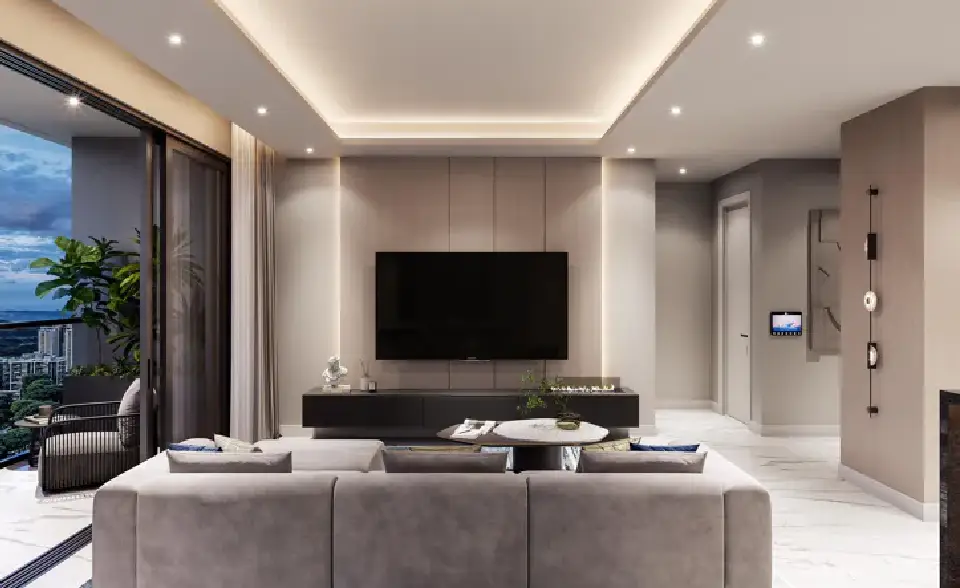
Westlands 2026 Investment Conclusion
Westlands remains one of Nairobi’s most reliable investment neighborhoods, but it has evolved from a “can’t miss” market to a discipline-requires strategy-dependent market.
The real returns come from:
- Strategic micro-location selection (not just “Westlands”)
- Unit type optimization (studios & 1BR outperform 3BR)
- Proactive management (furnished/Airbnb vs. passive long-term)
- Long-term holding periods (5-10+ years minimum)
- Realistic expectations (2-3% appreciation + 4-5% rental yield)
The market rewards strategy over hype.
9. Frequently Asked Questions (FAQs)
How Much Capital Do I Need to Start Investing in Westlands?
+Most entry-level Westlands properties cost:
1-Bedroom: KES 15-26M (minimum capital: KES 4-7M)
2-Bedroom: KES 32-50M (minimum capital: KES 8-15M)
Most banks finance 70-80% of property value, requiring 20-30% down payment. However, operating capital for 6-12 months of expenses is essential.
What’s a Realistic Monthly Rental Income in Westlands?
+Rental income depends on unit type and management:
1-Bedroom (service apartment): KES 80,000-120,000/month
2-Bedroom (unfurnished): KES 120,000-180,000/month
Furnished units earn 30-50% more but require active management.
How Long Until I Break Even on a Westlands Investment?
+Breakeven (cost recovery) timeline:
Standard 2-bedroom apartments: 20-25 years
Including capital appreciation: 15-20 years average
This assumes consistent rental income and minimal vacancy.
Should I Buy Off-Plan or Completed Property?
+Off-plan Properties:
- Pros: Lower entry price, payment flexibility, potential appreciation
- Cons: Construction delays, design changes, project abandonment risk
Completed Properties:
- Pros: Immediate rental income, transparency, no delays
- Cons: Higher entry price, slower appreciation
Is Airbnb Rentals a Better Strategy Than Long-Term Rentals?
+Airbnb / Short-term Rentals:
- Higher income (40-60% more annually)
- Requires professional management and furniture investment
- Higher vacancy risk and management burden
Long-term Corporate/Expat Rentals:
- Lower income but stable and predictable
- Lower management burden
- Better for passive investors
What Are Hidden Costs in Westlands Property Investment?
+Beyond purchase price and rental financing, budget for:
Maintenance & repairs: 15-20% of rental income
HOA/Service charges: KES 8,000-25,000/month
Property tax: 0.2-0.4% of property value annually
Vacancy buffer: Budget for 1-2 months annually
Building insurance: KES 20,000-50,000/year
Total annual operating costs: 20-30% of gross rental income
Which Banks Finance Westlands Properties Best?
+Major banks offering favorable terms for Westlands property financing:
Equity Bank: 75% LTV, 20-year maximum
I&M Bank: 80% LTV, premium rates for professionals
ABC Bank: 70% LTV, competitive rates
Cooperative Bank: 75% LTV, member benefits
Pro tip: Compare at least 3 banks—terms vary significantly. LTV (Loan-to-Value) ratios and interest rates directly impact your total cost.
How Does Westlands Compare to Other Nairobi Neighborhoods for Investment?
+Westlands performs differently against other premium Nairobi neighborhoods:
- Westlands vs. Kilimani: Similar yields, Westlands offers better liquidity
- Westlands vs. Riverside: Westlands has lower entry price but Riverside offers higher ROI for premium properties
- Westlands vs. Syokimau: Westlands higher costs but better returns and stability
- Westlands vs. Kileleshwa: Similar characteristics, Westlands has better location and amenities
Best for value plays: Kilimani and Kileleshwa
What’s the Typical Tenant Profile in Westlands?
+Westlands attracts a diverse tenant base, which reduces vacancy risk:
- Corporate employees (30%): Reliable income, 2-3 year stays
- Expats (25%): Premium paying, prefer furnished units, 2-4 year stays
- NGO/Diplomatic staff (20%): Very reliable, institutional arrangements
- Families/Professionals (15%): Mix of income levels, long-term stability
- Short-term/Tourists (10%): Airbnb and serviced apartment renters
Should I Invest in Westlands Now or Wait for Price Corrections?
+Westlands is not a fast-flipping market. Entry timing matters less than these strategic factors:
- Holding period: Minimum 7-10 years for optimal returns
- Rental income stability: Focus on consistent income, not capital appreciation speculation
- Micro-location selection: Precise zone matters more than overall market timing
10. Taking Action: Professional Consultation & Market Analysis
Why Expert Guidance Matters
Choosing between competing properties, analyzing ROI, structuring financing, and avoiding common mistakes requires professional analysis. Generic investment advice fails in Westlands’ nuanced, location-dependent market.
What Our Consultation Covers
Our team provides personalized analysis for your specific situation:
✓ Property-specific financial modeling: Expected rental income, maintenance costs, ROI timelines
✓ Micro-location analysis: Which Westlands zone suits your goals and capital
✓ Unit type recommendation: Studios vs. apartments based on your strategy
✓ Financing optimization: Bank selection, LTV ratios, payment structures
✓ Ongoing management: Rental strategies, tenant vetting, maintenance oversight
✓ Exit strategy planning: When and how to sell or refinance
Contact Mwafrika Homes for Expert Analysis
Why choose Mwafrika Homes:
- 10+ years in Nairobi real estate
- Specialist knowledge of Westlands micro-markets
- Transparent, data-backed analysis
- Direct access to off-market listings
- Comprehensive post-purchase support
Next Steps
- Define your investment criteria: Capital available, desired ROI, holding period, risk tolerance
- Book a consultation: Discuss your specific situation with our team
- Analyze specific properties: Get detailed financial models for properties matching your criteria
- Make informed decision: Based on data, not marketing hype
More Insights
Kenya Real Estate Trends 2026: The 6 Shifts Redefining Property Investment
The Real Cost of Buying a House in Kenya: Hidden Fees You Must Budget For